Kenya Calls for Stronger Science Communication and Information Integrity in the Digital Age
Kenya has reaffirmed the critical role of credible science communication, information integrity and responsible digital governance in strengthening public trust and safeguarding democracy in an increasingly complex digital environment.
Speaking during a Breakout Session on Science Communication and Public Trust in the Age of Misinformation at the Science, Technology, Research and Innovation for Society Week (STRI4Society) 2026 held at the Kenyatta International Convention Centre, Principal Secretary for Broadcasting and Telecommunications, Mr Stephen Isaboke, EBS, said the rapid transformation of global communication systems through social media, artificial intelligence and digital platforms has fundamentally altered how information is created, distributed and consumed.
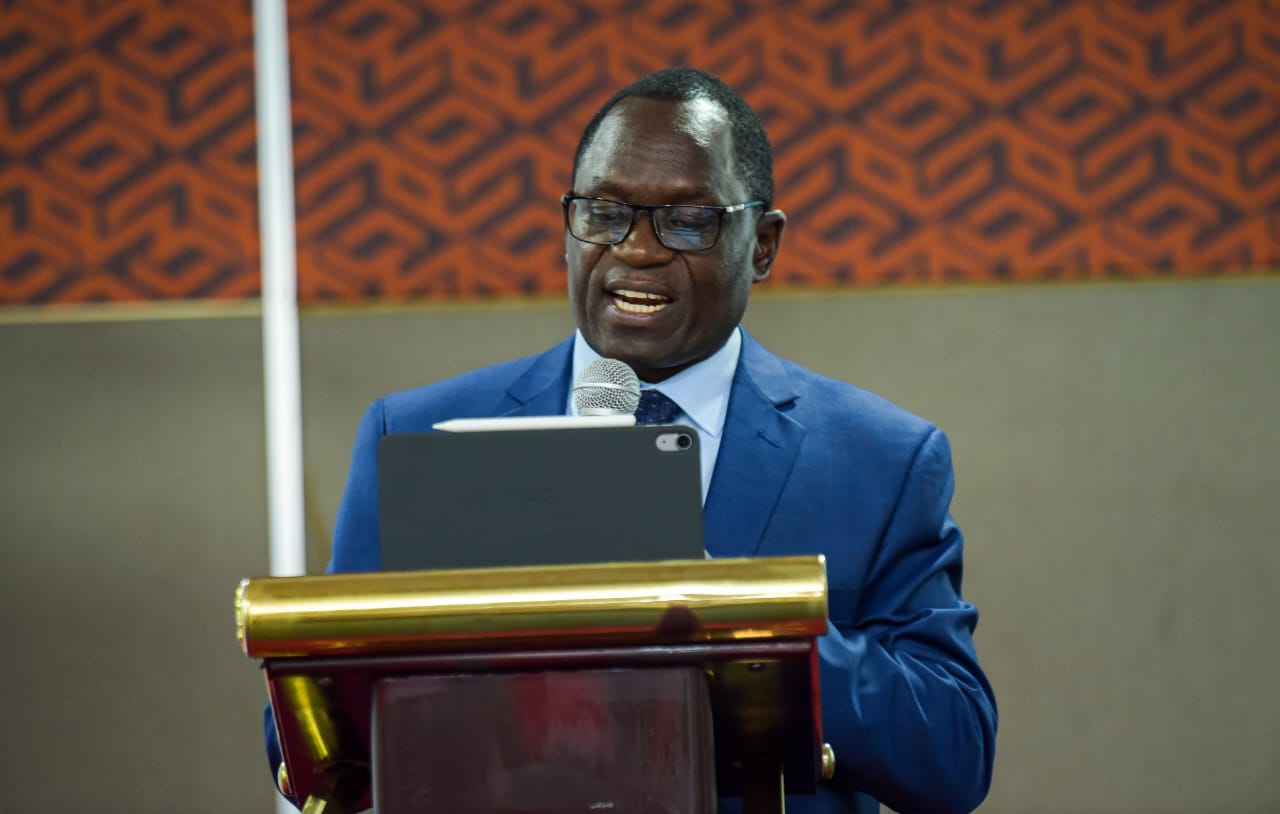
Scientific communication faces unique structural challenges in the digital era as science is evidence-driven, complex and constantly evolving through peer review, yet modern digital platforms reward speed, simplicity and emotionally charged content over verified truth.
“Scientific communication faces a unique global structural challenge. Science is inherently evidence-dependent, complex and subject to peer-reviewed revision — qualities that are poorly served by the immediacy, brevity and simplicity demanded by modern social media platforms,” noted PS Isaboke.
He further warned that while artificial intelligence presents major opportunities in expanding multilingual access to information and reaching underserved communities, it has also accelerated the spread of sophisticated deepfakes, synthetic content and automated disinformation at an unprecedented scale.
Drawing from Kenya’s experience, the PS noted that the country possesses strong communication infrastructure, including over 220 licensed FM radio stations, more than 90 television stations and widespread digital connectivity supported by over 66 million mobile subscriptions and 4G population coverage exceeding 97 percent. However, he acknowledged that public trust remains fragile amid growing concerns over misinformation and disinformation.
Through the event, the PS noted that effective science communication in Kenya must increasingly adopt mobile-first and visually driven approaches capable of reaching the country’s 48.7 million active smartphone users. He stressed the importance of translating complex scientific data and development indicators into relatable narratives that directly demonstrate the societal impact of research and innovation.
Notably, there are several ongoing Government interventions aimed at strengthening information integrity and public trust. These include the modernisation of the Kenya News Agency into a digital wire service capable of delivering localised research updates across all 47 counties, deployment of AI-powered systems to track and counter misinformation on digital platforms and the establishment of a National Communication Centre to coordinate messaging during public crises.
Further, the proposed Artificial Intelligence Bill, 2026, seeks to legally require the clear labeling of synthetic content, alongside broader data security measures and initiatives targeting coordinated disinformation networks.
PS Isaboke noted that the Government is investing in community-driven communication initiatives such as Studio Mashinani to empower local journalists and creators to produce ethical multimedia content, while ongoing investments under the Digital Superhighway continue expanding broadband infrastructure across the country.
National competitiveness and sovereignty in the 21st century increasingly depends on intellectual capital, technological resilience and public confidence in information systems.
“As Kenya advances its digital transformation agenda, we must ensure that our technological progress is matched with equally serious investment in information integrity, responsible communication and credible public institutions. Not as peripheral concerns, but as the very infrastructure of a well-functioning democracy,” he said.
He concluded by calling for a whole-of-society approach involving government, researchers, media institutions, educators, technology platforms and citizens in building a more transparent, credible and trusted information ecosystem for the country.