



Role of Artificial Intelligence in Africa’s development
Artificial Intelligence (AI) has the potential to generate millions of jobs across Africa and spur economic development if the continent invests in digital skills, research infrastructure and policy frameworks.
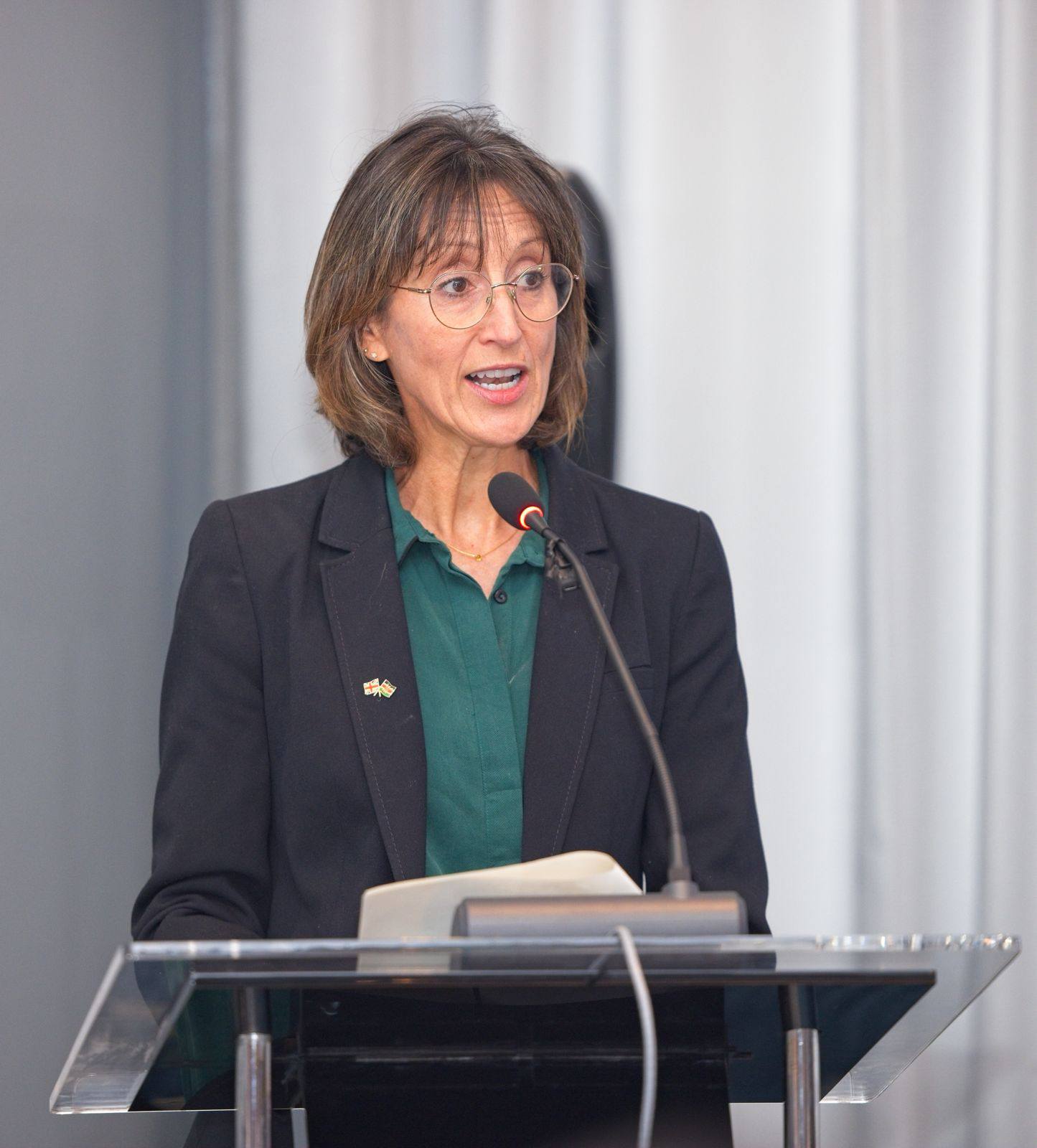
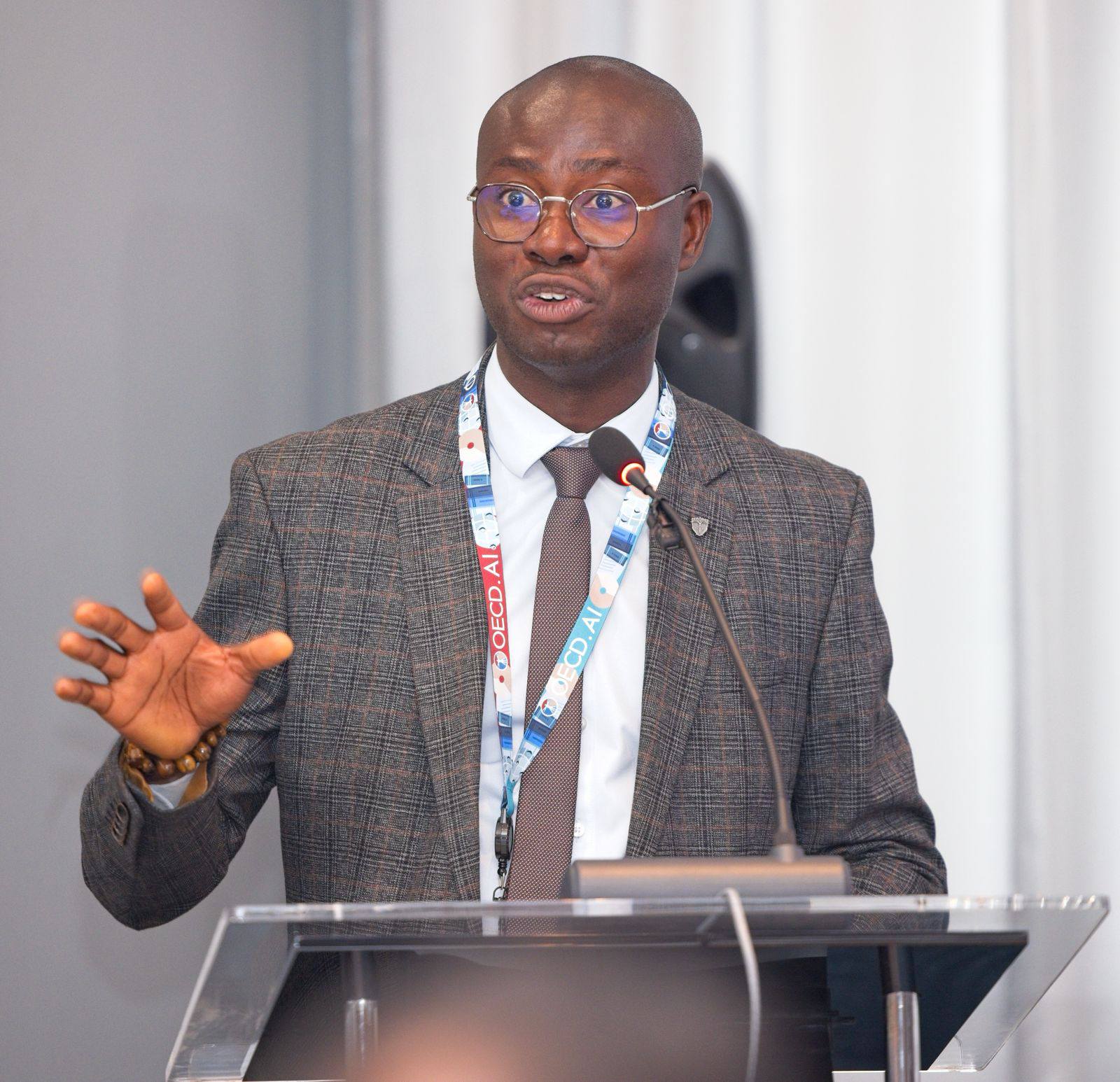
The Cabinet Secretary Ministry of Information, Communication and the Digital Economy Hon. William Kabogo joined a high-level discussion on the role of Artificial Intelligence in Africa’s development that brought together leaders and experts from the African Union, the Organisation for Economic Co-operation and Development (OECD), and partners from the technology sector.
During the engagement, participants explored how AI is already transforming key sectors across the continent. In agriculture, for example, farmers are increasingly accessing location-specific data on climate patterns, planting seasons and seed selection through AI-powered tools. These innovations are helping farmers improve productivity, make more informed decisions and strengthen food security.
The CS highlighted that such applications demonstrate the real promise of AI not only as a technological advancement, but as a practical tool that can improve livelihoods, strengthen economies and accelerate development outcomes. The AI could create millions of new jobs across the continent, particularly in sectors such as telecommunications, healthcare and digital services.
He noted the need for inclusive and responsible AI governance frameworks that promote trust, transparency, safety and accountability.
He stated that there is also need to strengthen our institutional capacity, invest in digital skills development, data centres and ensure that citizens especially women and youth actively participate in the digital economy to fully harness AI opportunities.
Among those in attendance were Diana Dalton - Deputy High Commissioner and Development Director, British High Commission Kenya, Peter Addo - Deputy Country Director Kenya, French Development Agency and Audrey Director, Directorate for Science, Technology and Innovation.