
Africa Gears Up for WRC-27 with Unified Push on Spectrum Management
As Africa prepares for the regional preparatory meetings ahead of the critical World Radiocommunication Conference 2027 (WRC-27), key leaders and stakeholders have underscored the vital role of spectrum management in shaping the continent’s digital future.
In a speech read on behalf of the Cabinet Secretary for Information, Communication, and the Digital Economy , Mr. William Kabogo, during the opening ceremony, the Principal Secretary of the State Department of Broadcasting and Telecommunication Mr. Stephen Isaboke emphasized the immense responsibility borne by policy makers, regulators, and industry players. “The choices we make in spectrum management will profoundly affect innovation, inclusion, and economic transformation in Africa,” the statement read.
Kenya, mirroring aspirations across Sub-Saharan Africa, is keen to harness spectrum as a national asset crucial to socio-economic progress. Guided by the National ICT Policy Guidelines, Kenya has worked tirelessly to develop frameworks that ensure efficient spectrum use, stimulate investment, and expand digital access even in remote communities. The government recognizes spectrum’s potential to unlock digital economy participation and improve livelihoods.
However, the demand for spectrum is skyrocketing due to expanding 5G networks, satellite innovations, and emerging technologies, which calls for decisive action. Policymakers were urged to ensure spectrum policies facilitate, rather than hinder, growth—balancing incumbent protections with opportunities for all Africans. “Fair competition in private sector spectrum access is key to Africa’s digital and economic transformation and the realization of the African Union’s Agenda 2063,” the speech noted.
The conference is seen as a timely platform to move beyond dialogue and toward harmonized policies, innovative licensing models, and strengthened regional coordination. The African Telecommunications Union (ATU) was praised for its leadership in these efforts, steering continent-wide strategies to safeguard Africa’s interests as the world prepares for WRC-27.
John Omo, Secretary General of the ATU, reflected on progress since last year’s meeting in Maseru, which launched the continent’s WRC-27 preparations. He highlighted major achievements including the updated African Spectrum Allocation Plan and Africa’s first IMT Spectrum Roadmap, both designed to promote harmonized planning and economies of scale in mobile broadband deployment. Reports on satellite innovations and new technologies also position African countries to better bridge coverage gaps.
“WRC is the single biggest ITU event where global spectrum allocations are decided, impacting sectors from aviation to broadcasting and mobile communications,” Omo said. He recalled successes such as reclaiming broadcasting orbital slots for 31 African countries and re-planning FM broadcasting frequencies to ease congestion, enabling more channels for operators across the region.
Since the first African Preparatory Meeting (APM1), the ATU has managed the Harmonised Calculation Method for Africa—aimed at standardizing cost calculations in telecommunications to minimize interference and optimize spectrum use for fixed and mobile services. He urged delegates to build on the robust work of ATU working groups and move toward sharpening Africa’s unified positions for WRC-27.
David Mugonyi, Director General of Kenya’s Communications Authority, stressed the invisible but critical nature of spectrum, linking it directly to connecting over 1.5 billion Africans and enabling access to education, markets, healthcare, and innovation. Despite advances, more than 60% of Africa’s population remains offline.
“Smart, forward-looking spectrum policies are essential to close this gap,” Mugonyi said. He highlighted Kenya’s inclusive and transparent approach to implementing WRC-23 agreements, evolving licensing frameworks, and pioneering initiatives such as dynamic spectrum access and private enterprise networks.
“M-spectrum knows no boundaries; neither should our solutions,” he added, urging Africa to speak with one voice on spectrum matters to increase influence and harmonize policies for affordable devices, reliable networks, and investment.
The 2027 WRC agenda poses new challenges like direct-to-device connectivity and protecting essential services, demanding coordinated planning and leadership. Mugonyi called on all stakeholders to embrace innovation-friendly regulations and partnerships to drive inclusive growth.
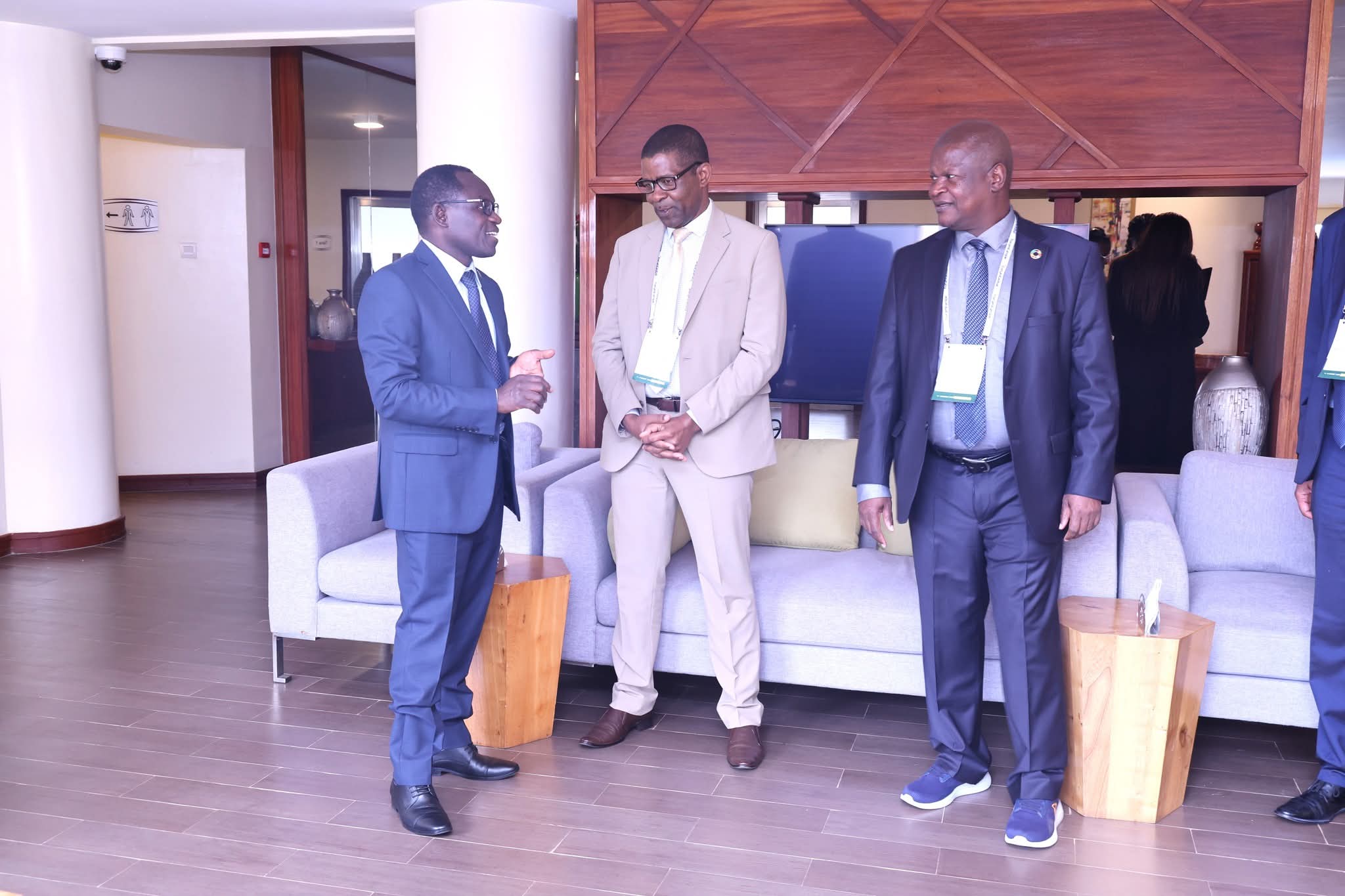
Present during today's opening ceremony in Nairobi were members of the diplomatic corps representing Eritrea, Angola, Morocco, Zambia, Sudan, Burundi, Burkina Faso, South Sudan, and the Democratic Republic of Congo, underscoring the pan-African nature of the preparations.
As Africa moves toward the critical global conference, the consensus is clear: bold, unified action on spectrum management is essential to transform connectivity, fuel economic growth, and secure the continent’s digital future.